
B3 Bomber Jacket vs Classic Bomber Jacket
“Bomber” can describe several quite different jackets. A light, ribbed-collar style and a substantial B3 bomber jacket may appear in the same category, yet they can feel completely different on an ordinary commute. Before choosing between them, define the versions you are actually comparing.
In this guide, “classic bomber” means the familiar casual shape with a short body, a ribbed waistband and cuffs, and a relatively low neckline. It may be made from nylon, another textile, or leather. “B3” refers to the shearling flying-jacket tradition and modern styles inspired by it. Neither label alone tells you everything about the garment.
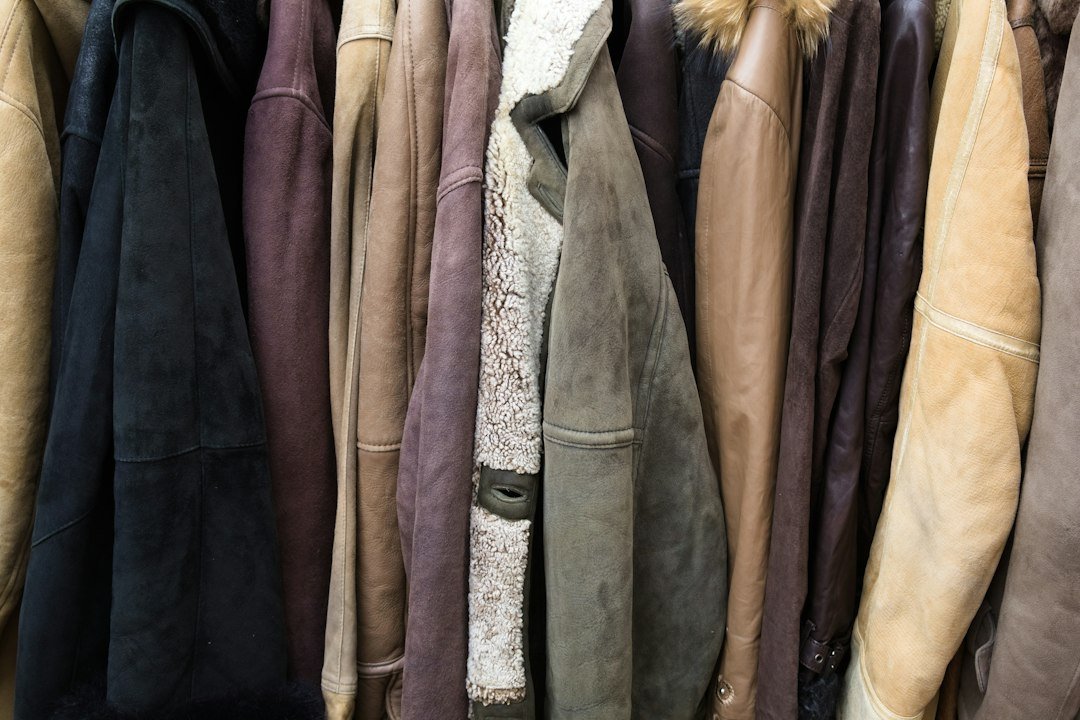
B3 bomber jacket vs classic bomber: start with the neckline
The most obvious contrast is often around the face. A B3-inspired jacket commonly has a substantial collar, sometimes with visible pile and a fastening that allows it to stand higher. A ribbed-collar bomber leaves more space around the neck. That affects both the silhouette and how other clothes fit underneath.
A tall collar may become the focal point of the outfit. A low ribbed neckline leaves more of a shirt, crewneck, or scarf visible. If you dislike fabric touching your neck, this distinction may matter more to you than the name or history of either style.
| Decision | B3-inspired option | Ribbed-collar bomber option |
|---|---|---|
| Neckline | Often a substantial turn-up collar | Usually a lower, closer ribbed collar |
| Interior | Verify shearling or other lining separately | May be unlined, lined, or insulated |
| Hem | Check the specific cut and adjustment details | Often gathered with ribbing |
| Visual weight | Often concentrated in collar and trim | Can appear cleaner around the neck |
| Season | Depends on actual construction | Depends on actual construction |
The Smithsonian’s historical B-3 example has shearling in its body, sleeves, and tall neck. That helps explain the style’s association with substantial cold-weather construction. It does not establish the materials or performance of every modern jacket sold under the name.
Compare two jackets on the same day
Imagine a morning with a short walk, a train journey, and several hours inside a heated office. Put both candidate jackets over the same top. Which is comfortable for the walk? Which is easy to carry once removed? Does either take up more space than you want on your lap?
Now imagine a longer outdoor afternoon. You may value extra coverage around the neck and a different lining. That does not automatically make the B3 the correct answer: an insulated textile bomber might be suitable, while a lightly lined B3-inspired fashion jacket might not. Compare the construction and conditions, not an assumed ranking.
There is no responsible universal temperature rating for either category. Wind, rain, activity, layers, and individual comfort all change the result. If you need weather protection, look for explicit garment information rather than interpreting a style name as a performance claim.
What changes when you put the jacket on?
The waist
Ribbing can draw the hem inward and create a rounded shape above it. If you like a straight outline, check whether the bomber blouses more than you want. If you prefer a defined waist, that same effect may be the feature you enjoy.
A B3-inspired jacket may use a different hem construction. Inspect it closed and seated. A straight-looking hem in a product image can still fit tightly over the hips, particularly over thicker trousers or a long sweater.
The arms
Lining and sleeve cut affect the room available for layers. Test a forward reach and bent elbows. Do not assume that a generous-looking exterior guarantees space inside: the lining occupies part of the garment’s volume.
The neck
Try the collar in every position you expect to use. A dramatic raised collar in a photograph may feel intrusive to you, while another wearer may appreciate it. Compare the feel with and without a scarf.
Leather Porium’s funnel neck versus biker jacket comparison explores another neckline decision. It can help if the collar, rather than insulation, is what you are trying to choose.
Three reasons to choose one over the other
Choose for the silhouette: if you like a fuller collar framing a simple top, begin with the B3-inspired option. If you want the shirt or knitwear neckline to remain visible, begin with a low-collar bomber.
Choose for how you layer: bring the actual top to a fitting. A jacket that works over a T-shirt may not fit a substantial sweater. Conversely, buying excessive room for a sweater you rarely wear can leave you with a shape you dislike most days.
Choose for handling: consider carrying, storage, and your usual seat or bag. Garment weight and packability vary; compare the specific examples rather than assuming every leather jacket is heavy or every textile bomber is light.
A comparison you can make before ordering
For each candidate, note the shell material, lining, garment length, available size measurements, care instructions, and return terms. Mark any missing detail as unknown. Two nearly identical product photographs can conceal important differences in lining and construction.
If fit is the unresolved issue, use the general movement checks in the leather jacket fit guide. Do not buy a preferred label and hope the fit will become suitable later.
Pick the jacket for its job
The B3 and the ribbed-collar bomber offer different starting shapes. The better purchase is the specific garment whose collar, layers, and handling suit your routine. Use the category name to find candidates, then let the details make the final decision at Leather Porium or any other retailer.
Common comparisons
Is a B3 always warmer than a classic bomber?
No. Actual lining, insulation, closures, fit, and conditions matter. A style name cannot settle a warmth comparison.
Can a classic bomber be made from leather?
Yes. “Bomber” describes a jacket family, while “leather” describes a material. The terms are not mutually exclusive.
Is a B3 a formal jacket?
It is generally a casual outerwear style. Cleaner trousers and shoes can change an outfit’s impression, but a venue’s dress requirements still take priority.