
Brown Leather Bomber Jacket Finishes: Matte, Glossy, and Distressed Compared
A brown leather bomber jacket can look almost flat in one photo and noticeably shiny in another. That difference matters if you are choosing between a quiet, even surface and a jacket with visible highlights or worn-looking edges. But a photo alone cannot tell you how the leather was finished—or how it will hold up.
Use this guide to separate appearance from material claims, compare listings more carefully, and choose a finish you will enjoy seeing up close.
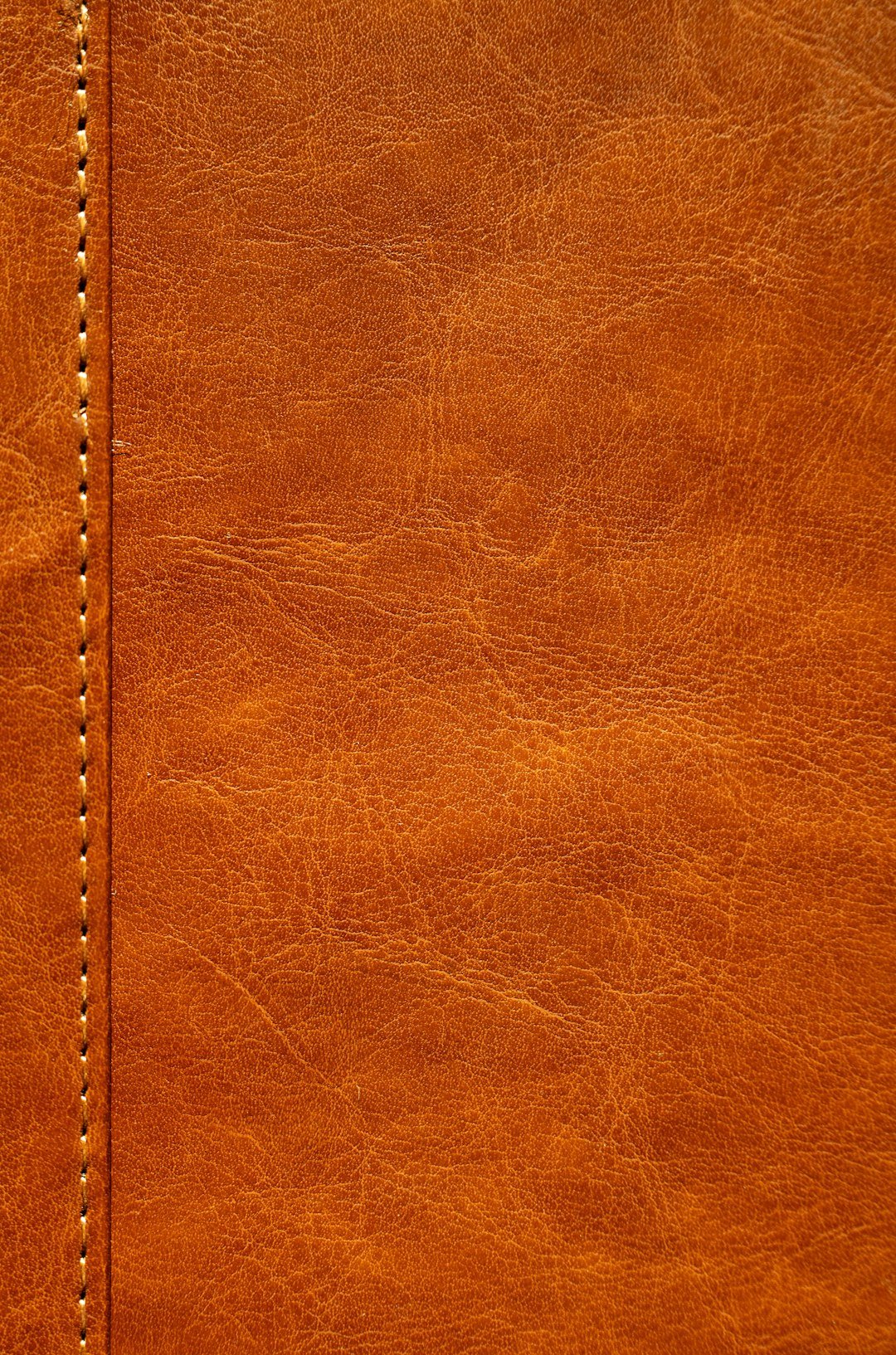
Texture reference only; this photograph does not show a Leather Porium product or identify a specific finish.
First, separate sheen from distressing
Matte and glossy describe how reflective a surface appears. Distressed describes an intentionally aged or worn-looking appearance. They are not three mutually exclusive leather grades: a distressed jacket can also have a matte surface or a noticeable sheen.
Think of two separate questions: How much light does the surface reflect? And how uniform is the color and surface appearance? This makes comparisons more useful than simply deciding that one finish is “better.”
| Listing description | What to look for | What it does not establish |
|---|---|---|
| Matte | Low sheen, with relatively subdued highlights | Leather species, grade, softness, or water resistance |
| Glossy | More noticeable reflections, especially along folds | Whether the material is real leather or synthetic |
| Distressed | Deliberate variation, faded-looking areas, or worn-looking edges | That the jacket is used, damaged, or naturally aged |
Which brown leather bomber jacket finish suits your preferences?
Matte: for a surface that attracts less attention
A matte finish may appeal if you want the bomber’s shape, pockets, and ribbing to stand out more than its reflections. Check broad panels such as the chest and back. A low-sheen jacket should not depend on one carefully lit close-up to create that impression.
Suppose you dislike strong highlights in indoor photographs. Compare a straight-on image with one taken at an angle. A product described as matte can still reflect light; the question is whether that reflection stays subtle enough for your taste.
Do not assume a matte surface needs no maintenance or will hide every mark. Those questions depend on the actual leather, finish system, color, and use.
Glossy: for visible light and dark contrast
A glossier surface can make sleeve folds and curved shoulders more prominent. Brown may appear very dark in shadow and much lighter where light catches it. If you like that contrast, look for photos that show the jacket from several angles.
Pay attention to scale. A small bright reflection from a studio light does not necessarily mean the entire jacket looks highly polished in everyday use. Equally, a softly lit photograph can make a reflective surface seem subdued.
Ask for an ordinary daylight photo or a short movement video if shine is the deciding factor. Neither shine nor a smooth-looking surface proves a particular material composition.
Distressed: for deliberate variation
Distressed finishes suit buyers who want visible variation from the beginning. Examine where it appears: along seams, around pockets, across broad panels, or throughout the jacket. Lightly shaded edges create a different effect from large areas of contrasting color.
Decide how much variation you would accept on the specific jacket you receive. A representative product photo may not answer that question. Ask whether individual pieces vary and, if necessary, request a photo of the available item.
Keep intended appearance separate from condition. Loose stitching, tears, or an unexplained peeling surface deserve clarification; a “distressed” label should not substitute for an accurate condition description.
Five photo checks before you choose
- Compare several views of the same listing. Check the front, back, sleeves, and close-ups. Do not compare one brand’s sunny outdoor image with another’s dim studio image as if lighting were identical.
- Look beyond the brightest patch. Reflections can disguise the underlying brown. Inspect both lit and shaded areas, while remembering that your screen can also shift color.
- Find a seam close-up. This helps you see grain, surface variation, and where any aged effect is concentrated. It does not authenticate leather grade.
- Check consistency between photos. If one image looks smooth and another heavily weathered, ask whether they show the same color option and product version.
- Read the description independently. Write down what is actually specified. Treat missing material or care information as a question for the seller, not permission to infer it from appearance.
For a US online purchase, check the return conditions before relying on a screen-based color comparison. Review the return window, required item condition, and who pays return shipping. Confirm the current policy for the store you choose.
What a finish cannot tell you
Sheen is not a shortcut to leather quality. The Leather Research Laboratory’s finish definitions distinguish aniline, semi-aniline, and pigmented leather by the presence and coverage of pigment. These technical descriptions are different from a shopper’s observation that something looks matte or shiny.
For example, “matte” alone does not establish that leather is aniline. Nor does “distressed” establish the animal species or how long the jacket will last. Ask for material details when they matter to your decision.
Finish also cannot establish warmth. Lining, insulation, coverage, and the rest of the garment construction need their own assessment. Leather Porium’s guide to leather, shearling, and sherpa terminology explains material labels separately from appearance.
Make a short buying brief
Instead of searching for “premium finish,” describe what you want in observable terms. Here are three useful examples:
- For an even appearance: “Low sheen, little contrast across panels, and no prominent faded-looking patches.”
- For a more reflective surface: “Visible highlights when the jacket moves, with enough photos to judge the overall shine.”
- For an aged effect: “Noticeable variation around seams, but limited contrast across the chest and back.”
Use the same brief while reviewing Leather Porium or another store. If a listing leaves an important point unclear, ask a focused question rather than assuming the description promises it. Once you have chosen the appearance, our brown leather jacket styling guide covers outfit combinations.
Keep the intended finish when caring for it
Start with the garment’s care instructions. Do not apply polish, oil, conditioner, or a waterproofing product simply to make a new jacket resemble a different photo. A treatment may alter its appearance, and compatibility depends on the actual finish.
If the instructions are unclear, ask the seller or a leather-care specialist before treating the surface. Avoid improvised scratch, water-drop, or rubbing tests on a purchase you may need to return.
Choose the appearance you can verify
The right brown leather bomber jacket finish is the one that matches your preferences and is supported by clear photos and written details. Compare sheen and distressing separately, ask about missing information, and leave quality or performance conclusions to evidence beyond the surface.
Frequently asked questions
Can a brown leather bomber jacket be both glossy and distressed?
Yes. Gloss describes reflectivity; distressing describes an aged-looking effect. A jacket can combine them, so inspect both features rather than treating the labels as opposites.
Does a distressed finish mean the jacket is secondhand?
No. A new jacket can be made with an intentionally worn-looking appearance. Check the listing’s condition statement separately and ask about any marks that are not explained.
Will a matte jacket become glossy with wear?
There is no reliable answer from the word “matte” alone. Surface changes depend on the finish, use, friction, and care. Do not buy expecting a specific aging effect unless the seller provides information about that particular leather.